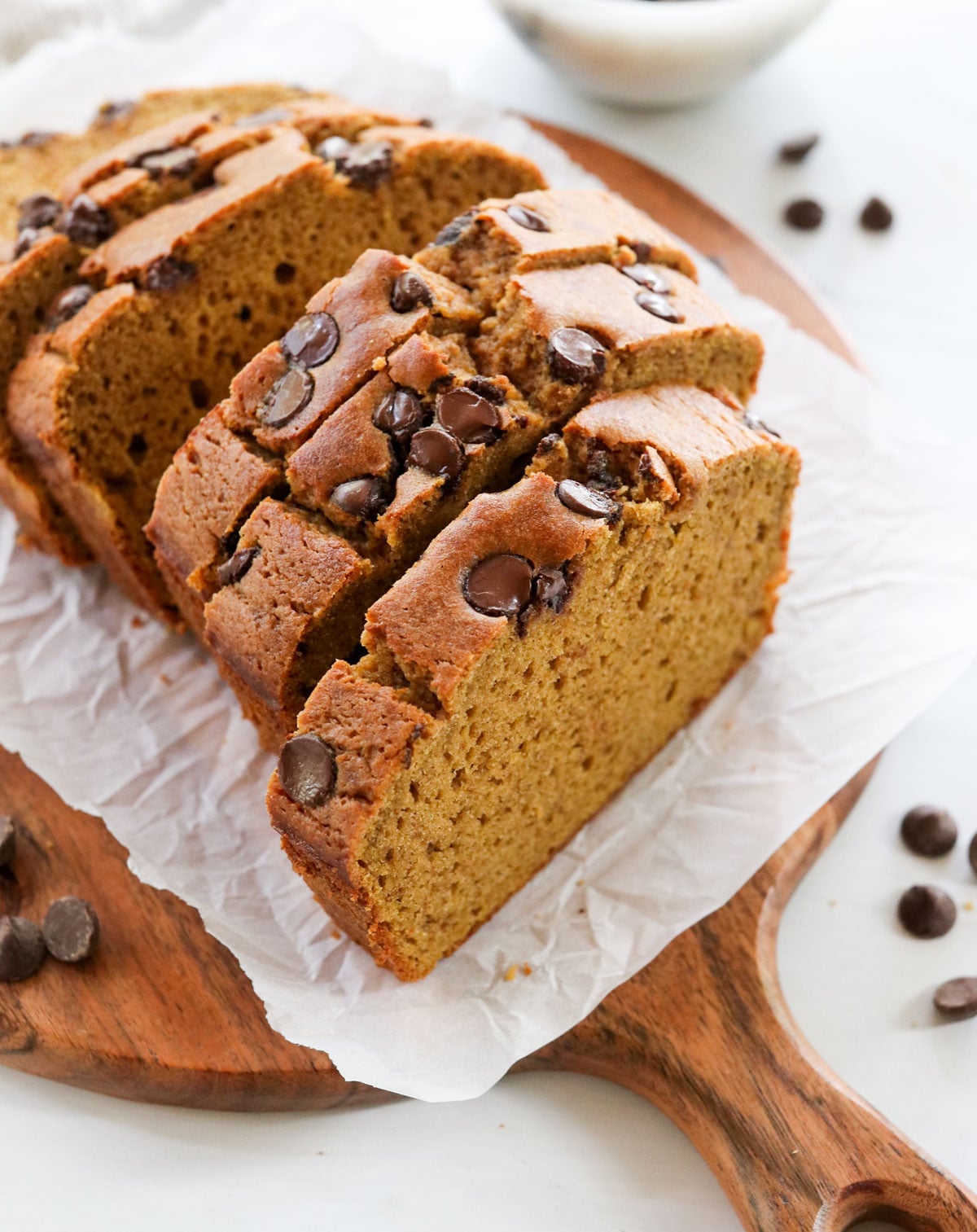
As the leaves begin to turn and a crispness fills the air, our culinary cravings often shift towards comforting, spiced treats. Among these autumnal delights, buckwheat pumpkin bread stands out as a unique and increasingly popular choice. Far from being just another pumpkin bread recipe, this particular iteration marries the earthy, nutty notes of buckwheat with the sweet, warming embrace of pumpkin and aromatic spices. The result is a loaf that is both deeply satisfying and surprisingly versatile, offering a wonderful texture and a complex flavor profile that appeals to a wide range of palates. Whether you're seeking a wholesome breakfast, a delightful snack, or a unique dessert, perfecting your own buckwheat pumpkin bread can transform your autumn baking experience. Get ready to unlock the secrets to crafting a truly unforgettable loaf.
The Allure of Buckwheat Pumpkin Bread: A Symphony of Flavors and Health
What makes buckwheat pumpkin bread so captivating? It’s a masterful blend of contrasting yet complementary elements. Buckwheat, despite its name, is not a wheat at all, but rather a pseudo-cereal known for its robust, slightly bitter, and earthy notes. When combined with the inherent sweetness and moistness of pumpkin puree, these two ingredients create a harmonious balance. The pumpkin mellows the buckwheat's intensity, while the buckwheat provides a grounding flavor and a satisfying chewiness that sets this bread apart from its more common counterparts made with all-purpose flour.
Beyond its unique taste, buckwheat pumpkin bread also boasts an impressive nutritional profile. Buckwheat flour is a powerhouse of essential nutrients. It's naturally gluten-free, making it an excellent choice for those with celiac disease or gluten sensitivity. Rich in fiber, magnesium, and manganese, it contributes to digestive health and stable blood sugar levels. Pumpkin, on the other hand, is loaded with vitamins, particularly Vitamin A in the form of beta-carotene, and antioxidants, supporting eye health and boosting immunity. When you combine these two ingredients with wholesome sweeteners and warming spices like cinnamon, nutmeg, ginger, and cloves, you're not just baking a delicious treat; you're crafting a nutritious delight that truly embodies the spirit of fall. For those interested in maximizing the health benefits without sacrificing flavor, you might want to explore how to make a Healthy Buckwheat Pumpkin Bread: A Guilt-Free Fall Treat.
Why This Combination Works So Well
- Flavor Depth: The earthy, slightly savory notes of buckwheat provide a perfect counterpoint to the sweet and comforting pumpkin.
- Texture Contrast: Buckwheat flour tends to create a denser, chewier crumb, which is beautifully softened and moisturized by the pumpkin puree.
- Nutritional Powerhouse: Both ingredients offer significant health benefits, making this bread a more wholesome option.
- Versatility: It serves as a fantastic base for various additions and can be enjoyed at any time of day.
Essential Ingredients for Your Perfect Loaf
Crafting the perfect buckwheat pumpkin bread begins with selecting the right ingredients. Each component plays a crucial role in the final flavor, texture, and rise of your loaf. Pay attention to quality and preparation for the best results.
- Buckwheat Flour: This is the star. You'll typically find two types: light buckwheat flour and dark buckwheat flour. Light buckwheat flour (sometimes labeled "white" or "hulled") has a milder flavor and lighter color, resulting in a more delicate bread. Dark buckwheat flour (often labeled "unhulled" or "whole") retains more of the outer hull, giving it a more pronounced, robust, and earthy flavor, as well as a darker hue. Choose based on your preference for intensity. Remember, it's naturally gluten-free, so it's a great option for many dietary needs.
- Pumpkin Puree: Opt for 100% pure pumpkin puree, not pumpkin pie filling, which contains added sugars and spices. Canned pumpkin puree is convenient and widely available. If making your own, ensure it's thick and well-drained to avoid an overly wet batter.
- Sweeteners: Brown sugar, maple syrup, honey, or a combination can be used. Brown sugar contributes to moisture and a rich, molasses-like flavor. Maple syrup and honey offer distinct aromatic sweetness and can often reduce the overall glycemic load.
- Warm Spices: The classic fall blend includes cinnamon, nutmeg, ginger, and cloves. Pumpkin pie spice blend is a convenient shortcut. Feel free to adjust quantities to your liking; a little extra cinnamon or a pinch of allspice can elevate the flavor profile.
- Fats: Melted butter or neutral-flavored oils like coconut oil (liquid form), vegetable oil, or olive oil add moisture and richness. Butter imparts a classic, creamy flavor, while oils can make the bread lighter and suitable for dairy-free diets.
- Leavening Agents: Baking soda and baking powder are essential for lift. Ensure they are fresh for optimal results. The acidity in pumpkin and buttermilk (if using) reacts with baking soda.
- Eggs: Act as a binder and contribute to the structure and richness of the bread.
- Liquid: Milk (dairy or non-dairy like almond or soy), buttermilk, or water can be used to achieve the right batter consistency. Buttermilk adds tang and helps activate baking soda for a tender crumb.
- Optional Mix-ins: For added texture and flavor, consider toasted pecans or walnuts, pumpkin seeds (pepitas), dried cranberries, or even chocolate chips. These can be folded into the batter just before baking.
A Note on Ingredient Temperature
For a consistent batter and even baking, try to have your wet ingredients, especially eggs, at room temperature. This helps them emulsify better with the fats and mix more smoothly, leading to a more uniform crumb.
Mastering the Art of Buckwheat Pumpkin Bread Baking
Baking buckwheat pumpkin bread is a rewarding process, and with a few key techniques, you can ensure a consistently delicious loaf every time. Attention to detail, especially when working with gluten-free flours like buckwheat, can make all the difference. For a comprehensive guide on autumnal baking, you might find inspiration in this article on how to Bake the Best Buckwheat Pumpkin Bread This Autumn.
Step-by-Step Guidance for Success
- Preparation is Key: Preheat your oven to the specified temperature (usually around 350°F or 175°C). Grease and flour (or line with parchment paper) your loaf pan. This prevents sticking and ensures easy removal.
- Combine Dry Ingredients: In a large bowl, whisk together the buckwheat flour, baking soda, baking powder, salt, and all your chosen spices. Whisking thoroughly helps distribute the leavening agents and spices evenly, preventing pockets of unmixed ingredients.
- Combine Wet Ingredients: In a separate bowl, whisk together the pumpkin puree, melted fat (butter or oil), eggs, and sweetener(s) until well combined and smooth.
- Gentle Mixing: Pour the wet ingredients into the dry ingredients. Mix until just combined. This is crucial, especially with gluten-free flours. Overmixing can lead to a tough or dense bread, as it can develop any trace gluten proteins and also over-activate leavening, leading to a collapse later. A few lumps are perfectly fine. If adding optional mix-ins, gently fold them in now.
- Bake with Patience: Pour the batter into your prepared loaf pan and smooth the top. Bake for the recommended time (typically 50-70 minutes), or until a wooden skewer or toothpick inserted into the center comes out clean. If the top starts browning too quickly, you can loosely tent it with aluminum foil.
- Cool Completely: This step is often overlooked but vital. Let the bread cool in the pan for 10-15 minutes before carefully transferring it to a wire rack to cool completely. Slicing warm bread can lead to a gummy texture, as the internal structure is still setting.
Practical Tips for a Perfect Loaf
- Measure Accurately: Especially with flour, use a kitchen scale for the most accurate measurement. If using measuring cups, spoon the flour into the cup and level it off; don't scoop directly from the bag, as this compacts the flour and results in too much.
- Don't Overmix: As mentioned, this is paramount. Mix until ingredients are just barely combined.
- Check Your Oven Temperature: Ovens can vary wildly. An oven thermometer is an inexpensive tool that can prevent under or over-baking.
- Utilize Room Temperature Ingredients: Eggs and pumpkin puree at room temperature mix more smoothly and create a more uniform batter.
- Moisture Control: If your pumpkin puree seems overly wet, you can gently blot it with paper towels before adding it to the batter, especially if you've made it from scratch.
- Test for Doneness: Beyond the toothpick test, gently press on the top of the loaf; if it springs back, it's likely done.
Elevating Your Bread: Serving Suggestions and Storage
Once your perfectly baked buckwheat pumpkin bread has cooled, the real enjoyment begins. Its robust flavor and satisfying texture make it incredibly versatile for various serving styles and occasions.
Delightful Serving Suggestions
- Simply Plain: Sometimes, the best way to enjoy this bread is a slice on its own, allowing the rich flavors of buckwheat and pumpkin to shine.
- With a Spread:
- Cream Cheese: A dollop of plain or honey-sweetened cream cheese is a classic pairing.
- Butter: A simple smear of salted butter enhances the richness.
- Nut Butter: Almond, peanut, or cashew butter adds protein and a delightful nutty complement.
- Jams & Preserves: Apple butter, fig jam, or a berry preserve can add a lovely fruity contrast.
- Warm & Toasted: A quick toast in a toaster oven can revive its crispness and aroma, especially if it's a day or two old.
- Pairings:
- Coffee or Tea: An ideal accompaniment for breakfast or an afternoon break.
- Apple Cider: The crisp sweetness of cider perfectly complements the bread's earthy spice.
- Yogurt or Granola: Crumble a slice over plain yogurt with a sprinkle of granola for a hearty breakfast.
Optimal Storage for Freshness
Proper storage ensures your homemade buckwheat pumpkin bread stays delicious for as long as possible.
- Room Temperature: Store the cooled loaf in an airtight container at room temperature for up to 3-4 days. This helps maintain its moisture.
- Refrigeration: If you live in a humid climate or want to extend its shelf life slightly, you can refrigerate it in an airtight container for up to a week. Be aware that refrigeration can sometimes alter the texture, making it a bit firmer.
- Freezing: Buckwheat pumpkin bread freezes beautifully. Wrap the entire loaf or individual slices tightly in plastic wrap, then in aluminum foil, or place them in a freezer-safe bag. It can be stored in the freezer for up to 3 months. Thaw at room temperature or gently reheat individual slices in a toaster oven or microwave.
When reheating, a brief stint in the microwave can restore softness, or a few minutes in a toaster oven will bring back a lovely crisp crust while warming the interior.
Embrace the unique flavors and wholesome goodness of buckwheat pumpkin bread this season. It's more than just a recipe; it's an opportunity to experiment with textures, spices, and a delightful blend of autumnal ingredients. From the satisfaction of baking a perfect loaf to the joy of sharing it with loved ones, this bread is sure to become a cherished part of your fall traditions. So go ahead, don your apron, gather your ingredients, and prepare to fill your kitchen with the irresistible aroma of homemade goodness. Happy baking!
