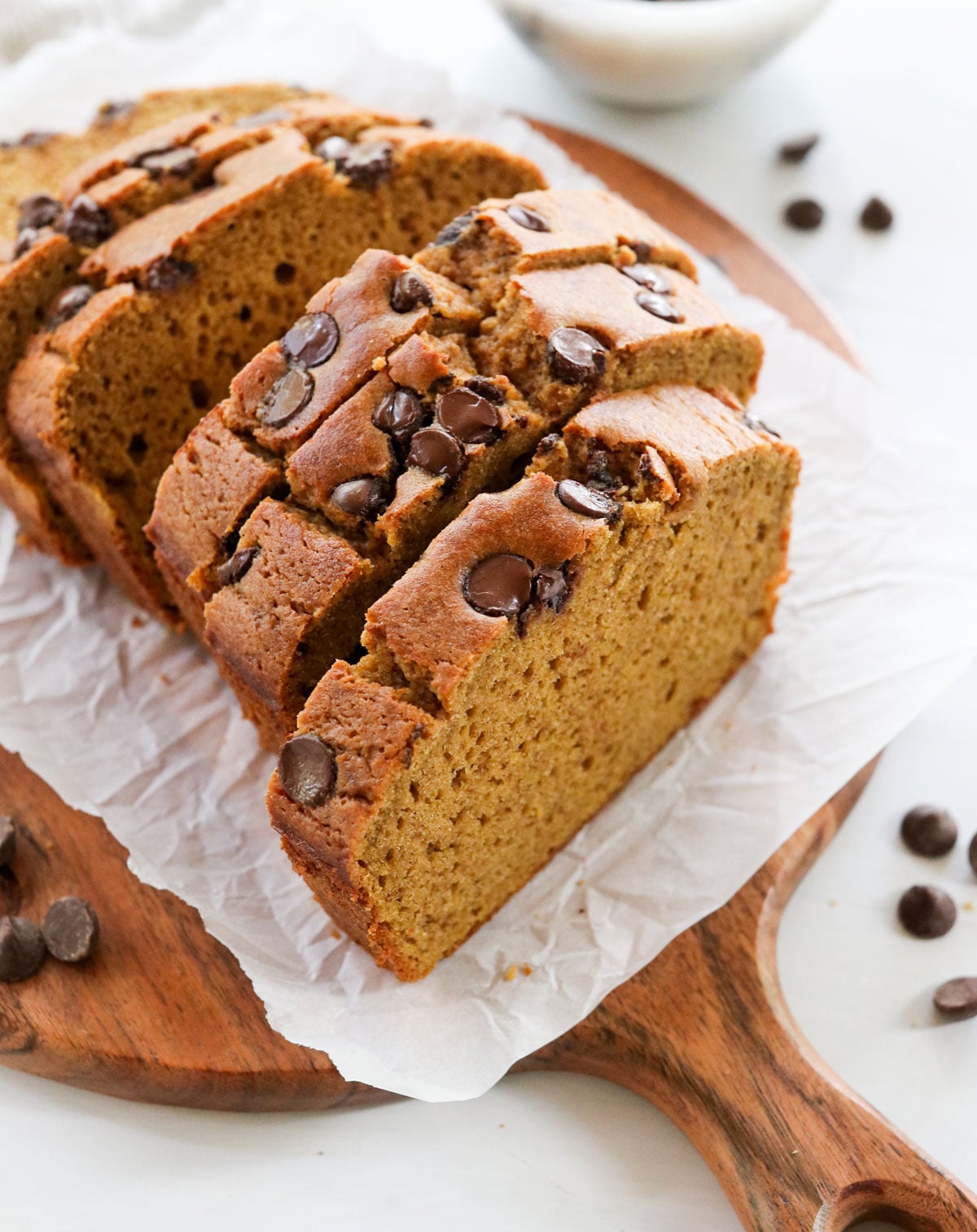
Bake the Best Buckwheat Pumpkin Bread This Autumn
As the leaves begin to turn vibrant shades of red and gold, and a crisp coolness fills the air, there's an undeniable urge to retreat indoors and fill our homes with the comforting aromas of autumn baking. Among the season's most beloved treats, pumpkin bread stands out, but what if we told you there's a way to elevate this classic to new heights? Enter buckwheat pumpkin bread – a delightful twist that brings an earthy depth, a unique texture, and a wealth of nutritional benefits to your fall table. This isn't just another pumpkin bread; it's a culinary experience designed to warm your soul and tantalize your taste buds.
Buckwheat, often mistaken for a grain, is actually a gluten-free pseudo-cereal packed with nutrients. When combined with the sweet, moist richness of pumpkin, it creates a bread that is both hearty and incredibly satisfying. Whether you're looking for a healthier alternative to traditional wheat-based breads or simply eager to explore new flavors, learning to bake the best buckwheat pumpkin bread will quickly become one of your favorite autumn traditions. Get ready to discover the secrets to a perfectly baked loaf that's moist, flavorful, and utterly irresistible.
Why Buckwheat and Pumpkin Make a Perfect Pair
The magic of great baking often lies in the synergy of ingredients, and buckwheat and pumpkin are a match made in autumn heaven. Each brings distinct qualities to the table, resulting in a bread that is greater than the sum of its parts. Understanding these benefits will not only enhance your appreciation for this delightful loaf but also inspire confidence in your baking.
The Nutritional Powerhouse of Buckwheat
Buckwheat flour is a fantastic alternative for those seeking gluten-free options, but its benefits extend far beyond that. It's rich in fiber, protein, and essential minerals like magnesium, manganese, and copper. Its complex carbohydrates provide sustained energy, making your healthy buckwheat pumpkin bread a truly guilt-free fall treat. The slightly nutty, earthy flavor of buckwheat complements the sweetness of pumpkin beautifully, preventing the bread from being overly saccharine and adding a sophisticated depth.
The Wholesome Goodness of Pumpkin
Pumpkin, a quintessential fall ingredient, is more than just a seasonal flavor; it's a nutritional superstar. Loaded with Vitamin A (in the form of beta-carotene), Vitamin C, and potassium, pumpkin adds moisture, natural sweetness, and a vibrant color to your bread. Its subtle, sweet flavor is universally loved, making it an ideal partner for the robust character of buckwheat.
Together, these two ingredients create a bread with an incredibly appealing texture. Buckwheat tends to be denser, but when combined with the moisture from pumpkin puree and the right leavening agents, it yields a loaf that is simultaneously substantial and tender. It’s a harmonious blend of earthy notes and sweet spice that defines the essence of autumn.
Essential Ingredients for Your Buckwheat Pumpkin Bread
Creating the best buckwheat pumpkin bread starts with selecting the right ingredients. While the core components are straightforward, understanding their roles and choosing quality options can significantly impact the final result. Here's what you'll need to gather:
- Buckwheat Flour: Opt for finely ground, light buckwheat flour for a milder flavor and lighter texture. Dark buckwheat flour, made from unhulled groats, will result in a more intense flavor and darker color. Ensure it's fresh for the best results.
- Pumpkin Puree: Canned pumpkin puree (100% pumpkin, not pumpkin pie filling!) is convenient and consistent. If you have time, making your own from roasted sugar pumpkins will provide an even richer flavor.
- Sweetener: Brown sugar, maple syrup, or honey are excellent choices, each lending a slightly different nuance to the sweetness. Brown sugar offers a classic caramel note, while maple syrup enhances the fall theme.
- Spices: A blend of cinnamon, nutmeg, ginger, and cloves is classic for pumpkin bread. You can also add a pinch of allspice or cardamom for extra complexity. Ensure your spices are fresh for maximum aroma and flavor.
- Fat: Melted unsalted butter or a neutral oil like canola or coconut oil (melted) will provide moisture and richness. Butter offers a richer flavor, while oil keeps the bread dairy-free if needed.
- Eggs: Act as a binder and contribute to the bread's structure and moisture.
- Leavening Agents: Baking soda and baking powder are crucial for giving the bread its lift and tender crumb. Make sure they are not expired.
- Milk (Optional): A splash of dairy or non-dairy milk can adjust the batter consistency if needed.
- Optional Add-ins: Walnuts, pecans, pumpkin seeds, dried cranberries, or chocolate chips can add texture and extra flavor dimensions. We delve deeper into how these additions can unlock flavor secrets for perfect buckwheat pumpkin bread in a dedicated guide.
Gathering all your ingredients before you start is a simple step that makes the baking process smoother and more enjoyable. Think of it as mise en place for a truly delicious autumn treat!
Step-by-Step Guide to Baking the Best Buckwheat Pumpkin Bread
Now that you have your ingredients ready, it's time to bring them together to create a loaf of the finest buckwheat pumpkin bread. Follow these steps for a perfect bake every time.
Preparing Your Ingredients and Equipment
- Preheat Oven: Preheat your oven to 350°F (175°C).
- Prepare Pan: Lightly grease and flour (or line with parchment paper) a 9x5-inch loaf pan. A dusting of buckwheat flour works perfectly for flouring.
- Measure Accurately: Measure all your ingredients precisely. Baking is a science, and exact measurements are key, especially when working with gluten-free flours like buckwheat.
Mixing the Wet and Dry Ingredients
- Combine Dry Ingredients: In a large bowl, whisk together the buckwheat flour, baking powder, baking soda, salt, cinnamon, nutmeg, ginger, and cloves. Ensure there are no lumps and the spices are evenly distributed.
- Combine Wet Ingredients: In a separate medium bowl, whisk together the pumpkin puree, eggs, melted butter (or oil), brown sugar (or chosen sweetener), and vanilla extract until well combined and smooth.
- Combine Wet and Dry: Pour the wet ingredients into the dry ingredients. Mix gently with a spatula or wooden spoon until just combined. Do not overmix! Overmixing buckwheat flour can lead to a tough or dense bread. A few streaks of flour are perfectly fine.
- Fold in Add-ins (Optional): If using nuts, seeds, or dried fruit, gently fold them into the batter.
Baking and Cooling
- Fill Pan: Pour the batter into the prepared loaf pan and spread it evenly.
- Bake: Bake for 50-65 minutes, or until a wooden skewer or toothpick inserted into the center comes out clean. Baking times can vary depending on your oven, so keep an eye on it. The top should be nicely browned.
- Cool in Pan: Once baked, remove the loaf from the oven and let it cool in the pan for about 10-15 minutes. This allows the bread to firm up and prevents it from crumbling when removed.
- Cool on Rack: After 10-15 minutes, carefully invert the loaf onto a wire rack to cool completely. Slicing into warm bread can affect its texture. Allow it to cool fully for the best results and a clean slice.
Following these steps will help you achieve a moist, flavorful, and perfectly structured loaf of buckwheat pumpkin bread, ready to be enjoyed as a delightful autumn treat.
Troubleshooting and Tips for Success
Even seasoned bakers encounter challenges. Here are some common issues you might face when baking with buckwheat flour and how to overcome them, along with extra tips to ensure your buckwheat pumpkin bread is truly the best.
Common Problems and Solutions
- Dense Bread: This is often due to overmixing the batter or using too much flour. Remember to mix until just combined. For gluten-free flours, exact measurement (preferably by weight) is crucial.
- Crumbly Bread: Could be too dry. Ensure you're not overbaking and your pumpkin puree is adequately moist. Adding an extra tablespoon of milk or oil can sometimes help.
- Dry Bread: Overbaking is the main culprit. Start checking for doneness at the lower end of the baking time range.
- Sunken Middle: Often caused by opening the oven door too early (before the structure is set) or using old leavening agents. Ensure your baking powder and soda are fresh.
Expert Tips for Perfection
- Don't Overmix: This is the golden rule for any quick bread, and especially for buckwheat which can become dense quickly. Mix until just combined.
- Use Room Temperature Ingredients: Eggs and pumpkin puree at room temperature mix more evenly into the batter, creating a smoother consistency.
- Fresh Spices are Key: Old, stale spices lose their potency. Replace your ground spices every 6-12 months for the most vibrant flavor in your buckwheat pumpkin bread.
- Quality Pumpkin Puree: While canned is convenient, a good quality brand or homemade pumpkin puree makes a difference in flavor and moisture.
- Rest the Batter (Optional but Recommended): Some bakers find letting buckwheat batter rest for 15-30 minutes before baking allows the flour to fully hydrate, leading to a more tender crumb.
- Don't Rush Cooling: Resist the urge to slice into your bread too soon. Cooling completely allows the starches to set and the flavors to meld, resulting in a cleaner slice and better texture.
Serving Suggestions and Storage
Once your best buckwheat pumpkin bread has cooled, the real fun begins! This versatile loaf can be enjoyed in many ways, and proper storage will ensure its deliciousness lasts.
How to Enjoy Your Buckwheat Pumpkin Bread
- Plain: A thick slice of this bread is perfect on its own with a cup of coffee or tea.
- Toasted: Lightly toast a slice and spread with a pat of butter, cream cheese, or a dollop of apple butter.
- With Spreads: Pair it with nut butter, a drizzle of maple syrup, or even a savory cheese for a delightful contrast.
- For Breakfast or Brunch: It makes a hearty and satisfying start to your day.
Storage Instructions
To keep your buckwheat pumpkin bread fresh and delicious:
- Room Temperature: Store the cooled loaf tightly wrapped in plastic wrap or in an airtight container at room temperature for up to 3-4 days.
- Refrigeration: For longer storage, refrigerate the bread, tightly wrapped, for up to a week.
- Freezing: Buckwheat pumpkin bread freezes exceptionally well. Wrap the entire loaf or individual slices tightly in plastic wrap, then again in aluminum foil. Freeze for up to 2-3 months. Thaw at room temperature or gently warm in the oven or toaster.
Baking the best buckwheat pumpkin bread this autumn is more than just making a snack; it's about embracing the season, enjoying comforting aromas, and sharing delicious moments. This unique loaf, with its earthy notes and sweet pumpkin embrace, promises to be a delightful addition to your fall baking repertoire. So go ahead, tie on that apron, and fill your kitchen with the irresistible scent of autumn!
